
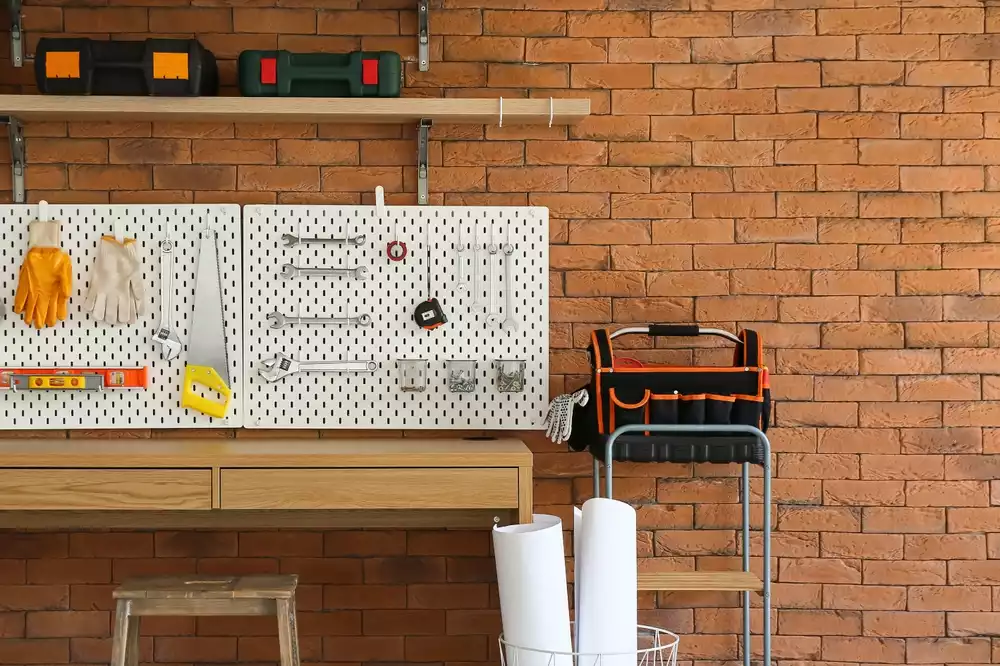
Essential Tool Tips and Workshop Basics for Everyday DIY
A well-equipped workshop doesn’t require a garage full of tools. It requires the right basics, organized thoughtfully. Most DIY projects rely on the same core tools again and again.
Start with hand tools. A hammer, screwdrivers, adjustable wrench, tape measure, and utility knife cover most needs. Quality matters more than quantity.
A cordless drill is the most versatile power tool you’ll own. It handles drilling, driving screws, and assembling furniture efficiently. One good drill replaces dozens of manual tasks.
Understanding drill bits and screw types prevents stripped hardware and frustration. Matching the right bit to the task saves time and materials.
Safety is part of workshop basics. Eye protection, gloves, and proper lighting reduce accidents dramatically. DIY should feel productive, not risky.
Workspace organization improves results. Clear surfaces and labeled storage keep tools accessible. Searching for tools breaks focus and momentum.
Measuring tools deserve attention. A level ensures straight installs, while squares keep cuts accurate. Precision doesn’t require expensive equipment.
Clamps act as extra hands. They stabilize materials, improve accuracy, and reduce mistakes. Beginners often underestimate their usefulness.
Maintenance keeps tools reliable. Cleaning, battery charging, and blade replacement extend lifespan. Well-maintained tools perform better and safer.
Start projects by staging tools first. Laying everything out prevents interruptions mid-task. Preparation saves frustration.
Noise and dust management matter. Using mats, vacuums, or outdoor spaces improves comfort. Small adjustments make longer projects manageable.
Workshop basics are about flow, not size. Even a small corner can function efficiently with smart layout.
Learning tools gradually builds confidence. You don’t need everything at once. Add tools as projects demand.
A functional workshop supports creativity. When tools are ready, ideas turn into action faster.
Strong tool fundamentals turn DIY from stressful to satisfying.